
Car-free school holiday day trips
Choose the return journey at the same time as the destination. Check the actual service, fares, walking distance, access and disruptions, then allow a buffer around any timed activity. A Sydney public ferry can form part of a car-free day, but private sightseeing boats, attraction tickets and public transport are different products.
Check the journey in both directions
| Decision | Outward check | Return check |
|---|---|---|
| Service | Correct route, stop or wharf and travel date | A practical service after the outing, plus a fallback |
| Cost | Every traveller’s fare and ticket conditions | Return fares and any separate transfer |
| Walking and access | Distance and actual route from arrival point | Whether tired children can manage the same route back |
| Activity | Opening, admission and booking time | Time to leave before the travel connection |
| Weather or disruption | Official alerts before departure | How you will change the plan if a service stops |
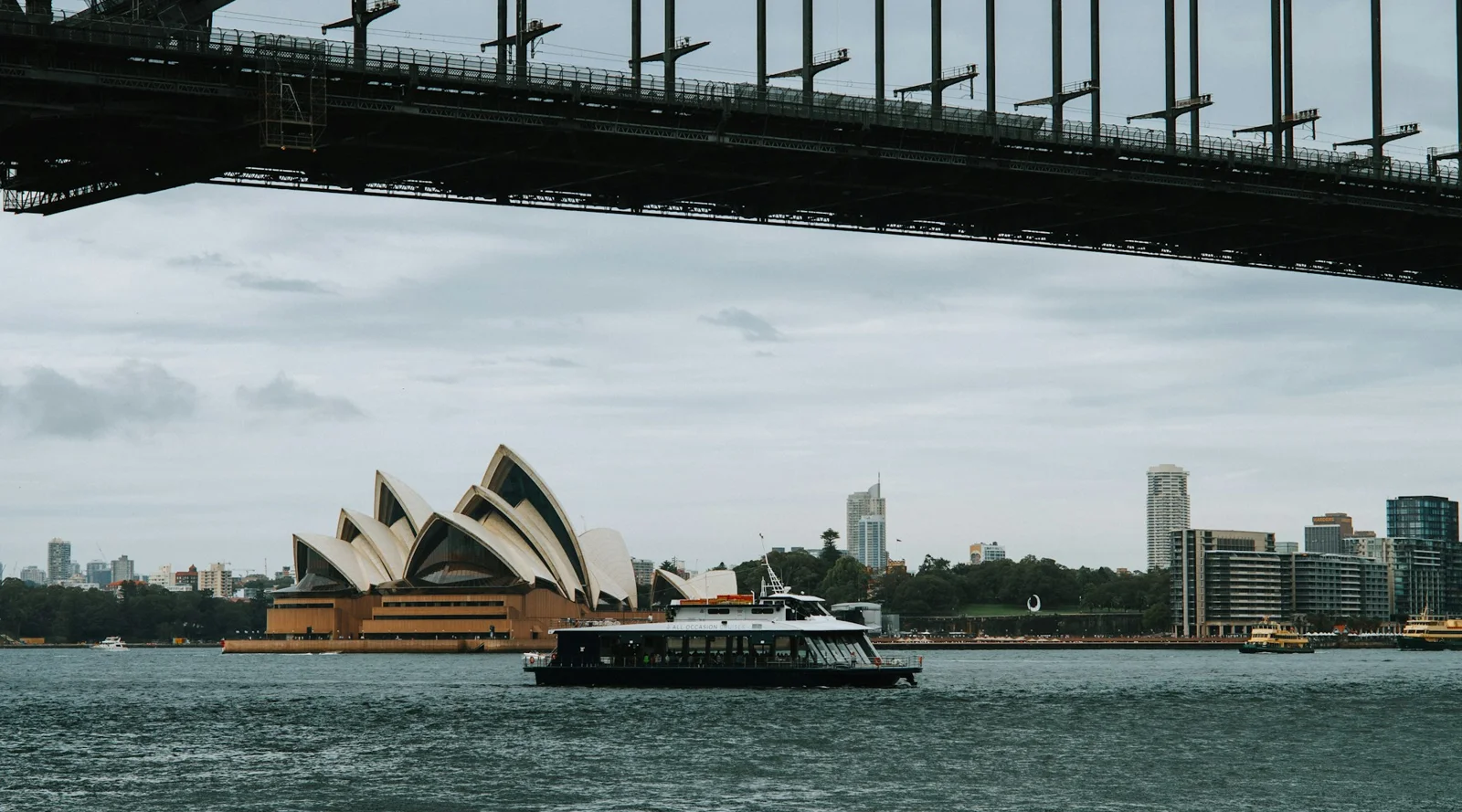
A Sydney ferry example
For an animal-focused day, Taronga’s official travel page describes reaching the zoo by ferry from Circular Quay and explains the arrival route. Use that page with Transport for NSW’s current ferry information before choosing the service and ticket.
Budget zoo admission separately from the journey. Check the operator’s current entrance, accessibility and any shuttle information; a school-holiday notice dated 2026 is not proof of a 2027 service.
For a simpler harbour outing, choose a public-ferry destination and a short activity there, then plan the return. Do not assume a private cruise uses the same ticket or that a scenic ride is free.
Use a timetable, not just a map
A destination can look close to a station or wharf while the actual family route includes a hill, stairs, an indirect entrance or a long walk. Check the venue’s visitor information and the transport operator’s access resources.
Look at services for the actual travel date, including weekends or public holidays. A route map shows where a service goes; it does not confirm frequency, disruption or the last practical trip home.
Write down the destination, arrival stop and the service you intend to use back. Keep enough time for a missed connection, a meal and the children’s pace.
Keep the day small enough to manage
Choose one main outing and a flexible meal stop. Avoid stacking a timed ticket immediately after a tight transfer unless the booking terms and alternative route work for your group.
For younger children, plan toilets, rests and the return walk as carefully as the attraction. For older children, let them help choose the route while an adult checks the plan.
If the weather changes, use official service alerts before deciding whether to travel. An indoor destination does not guarantee that its transport connection will operate as planned.
Compare the total with a driving day
Add every person’s return fares, transfers, admission and food. Compare that with the actual driving and parking costs, rather than assuming public transport is always cheaper or always easier.
Use the school calendar to choose the day and keep any pupil-free arrangement separate. The ferry photograph shows Sydney Harbour; it is not a timetable or a guarantee about conditions on your 2027 visit.
Choose a day your children are off
The dates cover government schools. Catholic and independent schools, year-level finishes and local pupil-free days can vary.
- Queensland official calendar
- NSW · Eastern division official calendar
- Victoria official calendar
- South Australia official calendar
- Western Australia official calendar
- Tasmania official calendar
- ACT · continuing students official calendar
- Northern Territory official calendar
Sources and checks
Official operator pages checked 24 Nov 2026. Admission information can change before your 2027 visit. Ongoing attractions are distinguished from separately dated exhibitions and programmes.